
As I have surpassed one year of rehabbing from two bone stress injuries (July 2021), I also have reached one year of rehabbing from a benign pelvic mass (August 2021). As I look to the future on what I would like to accomplish to my high standards of satisfaction, I have reflected on how I improved my physical abilities, mental capacity, and fitness lifestyle for one that is already proving to be better for safer skeletons and longevity for the years to come. I’ve also learned how to juggle all the ecosystems of life in an effort to keep them satisfactorily in harmony. I’m definitely headed in the right direction, full of optimism and renewed energy.
If you find yourself in the rehab lifestyle, maybe some pointers will help you. Ultimately, rehab success is up to one person: your inner voice.
Learn what you CAN do and get to work.
There is something you CAN do every day. Despite what may feel like the “end of the world,” there is so much more to life than your one obsessing sport that crushed your heart in the blink of an eye. Stop feeling sorry for yourself and use the towel to wipe your sweat instead of your tears. If you are taking mandatory rest, now is the time to tank up on nutrition and figure out how to metabolically optimize your body to get on top of your A-game. If you are not bedridden, get out and walk all the walks wherever your feet can take you. Chase every sunrise and sunset because they are free. Set yourself weekly attainable goals and get after them. Now is the best time to have freedom without being tied to a training schedule. Enjoy it.
The body has no timeline for healing.
Your medical team will tell you “x” number of weeks until you can resume your sport and you will become fixated on that day like a kid waiting for Christmas morning. Do not fall into the mousetrap! You will likely need more time to recover mentally than physically. Chances are that your timeline will be drastically different. And yes, my friends, you will face setbacks that may be expected or unexpected. However, use every setback as a piece to the comeback puzzle. Always pivot and adapt for what is your best interest. Something didn’t work right so it’s up to you and only you to figure out the better piece. It’s like the body’s way of saying “Oops, you dropped the ball. Here you go!”
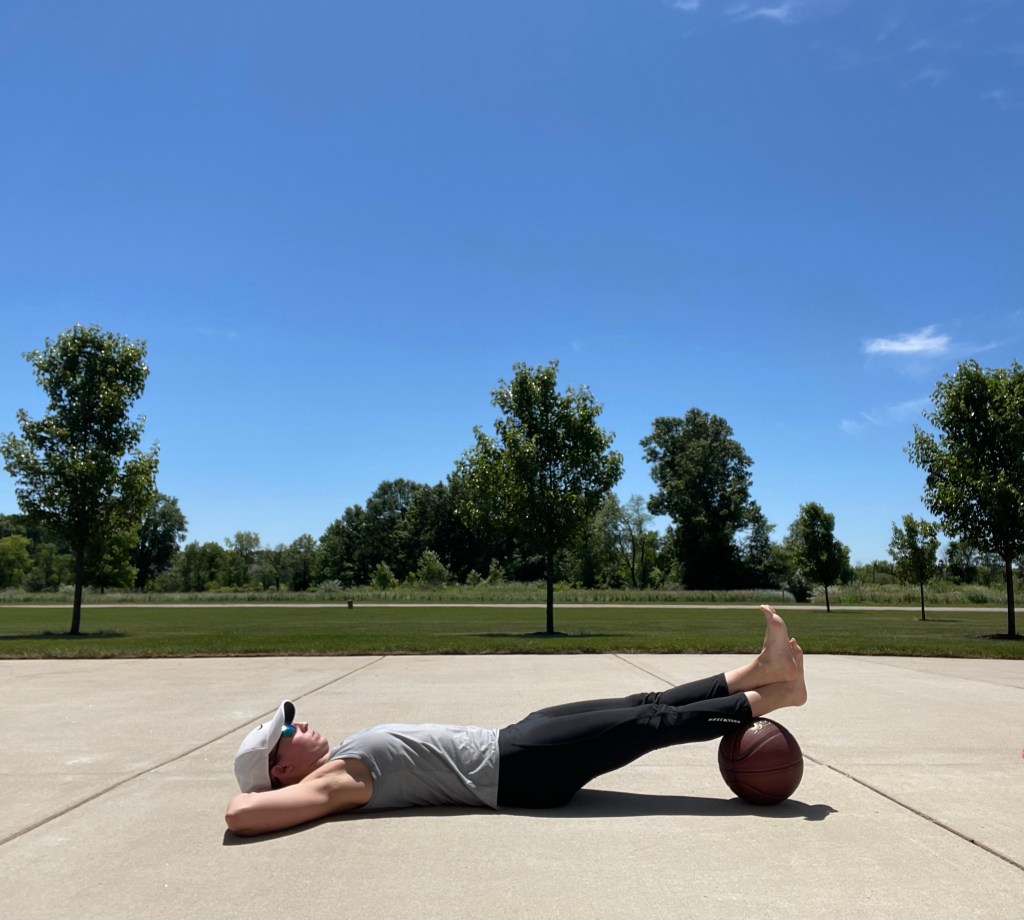
The kick in the face may be the absolute thing you needed.
You will feel knocked down, be in denial, and always look for a way out. However, chew on the fact that maybe things happened the way they did because you didn’t listen sooner. Were you too busy to stop and listen to the squeaking wheel? Now is your chance to sharpen your pencil to adapt to a new and better way of life. Your comeback journey could be the most memorable time of your life, so why not make it the best you can?
Take a break from social media and put your phone on “do not disturb” mode.
Disconnecting from others may sound selfish, but trust me, you will be glad to step away from the social media world in which we all waste time. Use the time to read books or to get out in nature. Stop scrolling and please stop comparing, but start planning and believing in yourself. Your social circle who needs to be there for you will check on you and those that never mattered will find their own exit. Less screen time helps with finding something positive to focus on: YOU!
The human body is not meant to be burnt to exhaustion. Stress + Rest = Growth.
You cannot always push on the accelerator with little gas in the tank. Nobody has superhero powers. Nobody has energizer batteries. The human body needs maintenance in order for all parts to be working, similar to your vehicle. The body repairs itself when you are being carried away into your dreams. Change the way you view “rest” days as unproductive to something non-negotiable by calling them “supporting session” days. Never skimp on the rest again or else you will never get out of the cycle of rehab life.
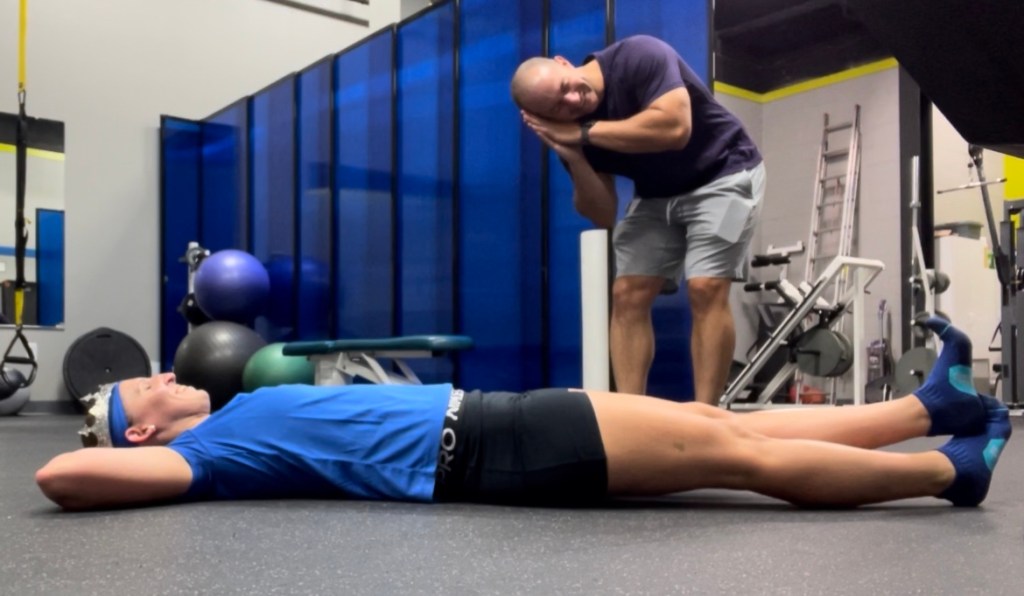
Your biggest test in patience comes now. Avoid the RTF rule (“rushing to failure”).
You will not go from subzero to hero when you return to sport. It will take time and probably more time than you ever expected it to take. The more you take rehab seriously, the easier it will be to build on the momentum once you are released into the wild. However, once you are back doing what you love, you still have to learn how to play nicely again. Do not expect any personal achievements, other than to not be sidelined again. I promise you that good things come to those who are patient.

Do not neglect mental rehab while focusing on physical rehab.
Your body may physically be ready earlier than your mind, so why not tackle both at the same time. Hire a therapist. Write out your thoughts. Read sports psychology books. Meditate to clear your mind. One quote that I found in my readings has been “For every hour spent in the gym, spend an equal hour working on your mental game.” Your mindset is the bigger obstacle that will hold you back when your body is ready to go. Your confidence will be shaken, but you can work on your mental toughness every single day and in fact, I highly recommend it. And once rehab life is over, continue to work on your mental game because it holds the key to your better future.

Make rehab your new sport. Own it from Day #1.
Rehab may be boring. You may roll your eyes. You may see things as remedial. You may get frustrated. You may not see the “why” of every rehab rule. However, it is your single job to own every minute of it. Every minute putting in your best effort gets you closer to your ultimate goals. Think about how much a 1% improvement each day can add up to over the course of a few months. Consistency compounds into success. Do you want to look back on rehab as the worst point in your life or as the point in time in which you can proudly say that you rocked it?
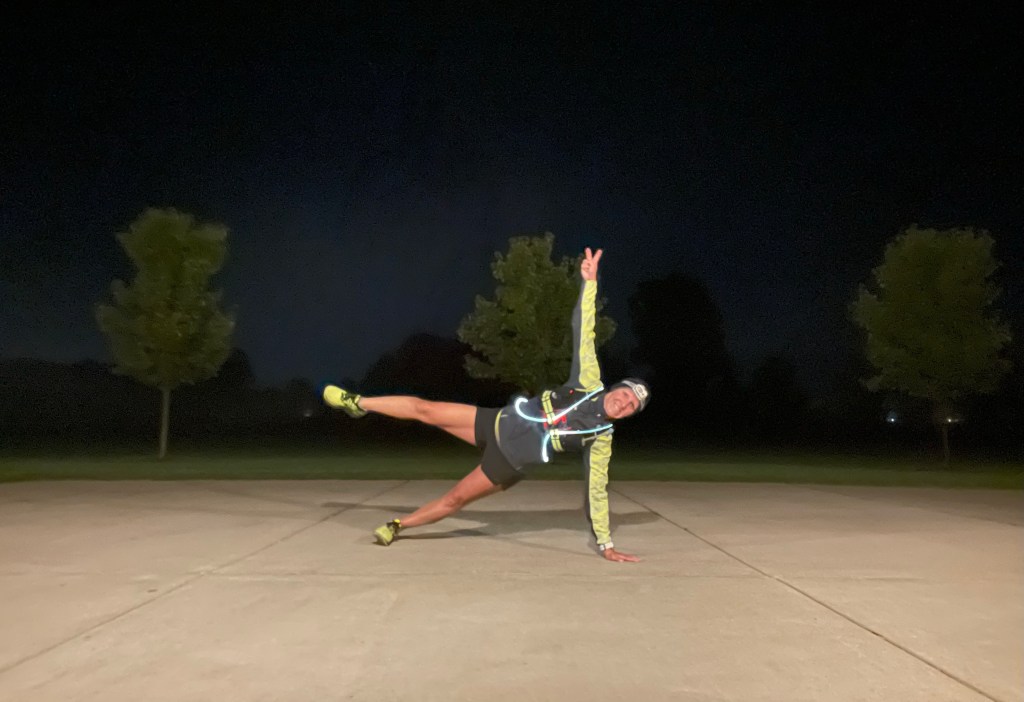
You only can help yourself by learning everything about your injury and your sport.
Be accountable for your mistakes but use them to catapult your future. What is something about your injury that you don’t know? Find resources to guide you and then study them like it’s your job – because it is your job. It is not anyone else’s responsibility to figure out your problems. You can be on top of your A-game by learning everything about your sport, too. This will help with visualizing your comeback when the time is right.
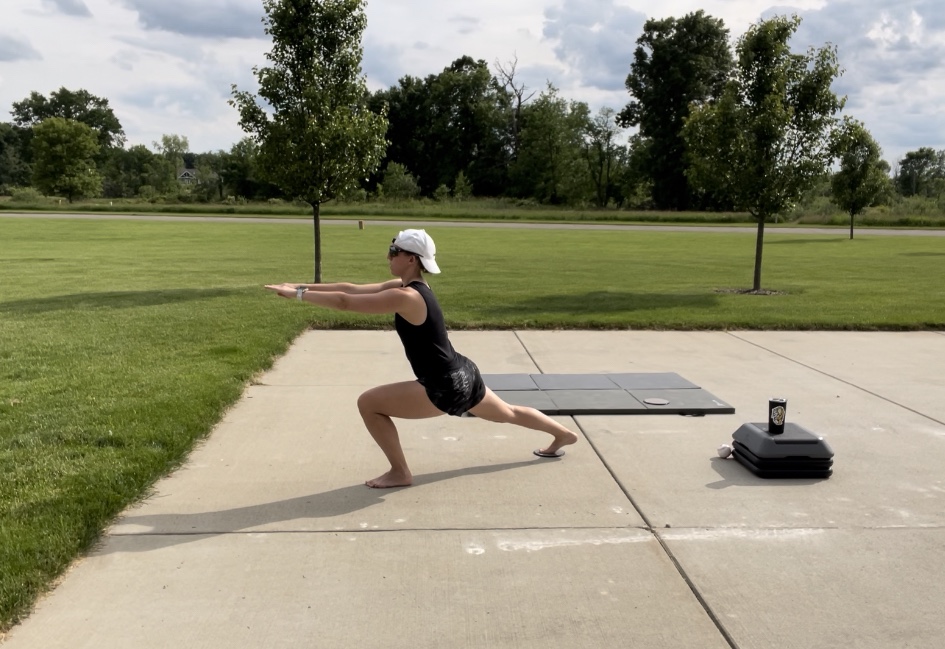
Be kind to yourself. You are your toughest critic.
Once you stop putting your pressure on yourself to be right back at the level that you were before rehab life, everything will flow better and you will see better progress unravel itself in front of your own eyes like stars shooting across the sky. Enjoy the process and stop focusing on results. You will be glad you did.

 Re-Energized Running